A name given in gratitude,
a town built on devotion.
Legend says the town took its name from a generous woman the townsfolk simply called Ka Inta. Centuries later, her town still tells that story, through a Lenten passion play performed every year, and through a clay baked treat born of an unlikely friendship between locals and soldiers who never went home.
Scroll through the story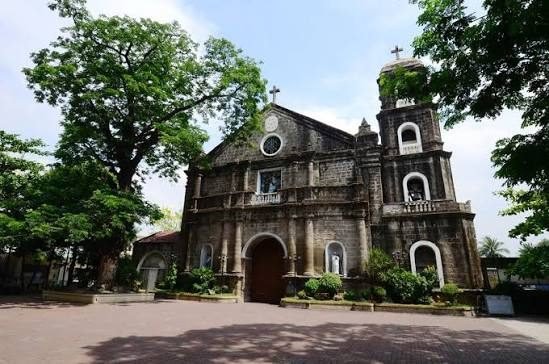
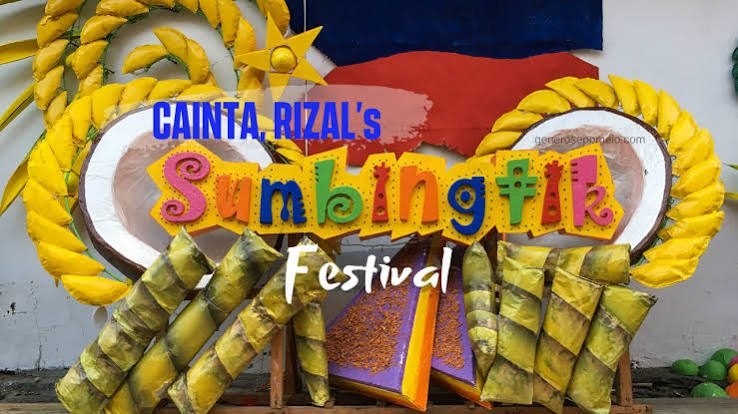
How a woman's kindness
became a town's name
Ka Inta
"Ka" was a term of respect reserved for elders; "Inta" was short for Jacinta, a wealthy woman known for opening her home to the sick and the hungry. When she died, the town took her name in tribute. A second, more playful theory traces "Cainta" to the Tagalog phrase "Kain Ta" roughly, "let's eat" which, given what came next, feels almost prophetic.
Origin storySoldiers who stayed
The Seven Years' War between Britain and Spain reached Manila when British forces invaded, bringing with them Indian soldiers known as sepoys. The occupation was brief, Manila returned to Spanish hands soon after, but a number of sepoys chose not to leave. They settled in Cainta and built lives alongside the native population.
Colonial historyA visible legacy
Generations later, descendants of those sepoy settlers are still part of Cainta's identity, some carrying the darker complexion and distinct features of their South Asian ancestors. It's a quiet, living reminder that this small Rizal town sits at the crossing point of far larger histories.
Living heritageFrom bebinca to bibingka
The settlers taught locals to make bebinca, a steamed Indian pudding. Cainta made it its own swapping technique and ingredients until it became bibingka, the rice cake now baked in clay pots over glowing coals, top and bottom, the way it's still made today.
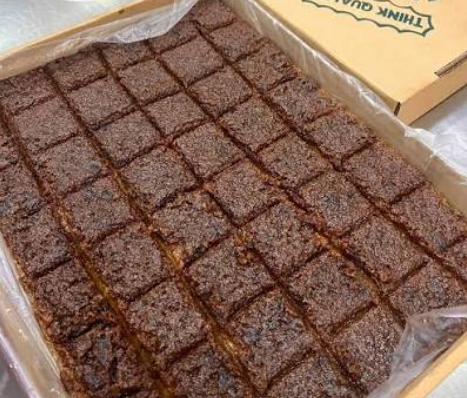
Bibingka
A rice cake baked between two layers of heat, wrapped in banana leaf, and finished with butter, salted egg, and grated coconut. Cainta's answer to a recipe carried across an ocean.
Best eaten warm, straight off the leaf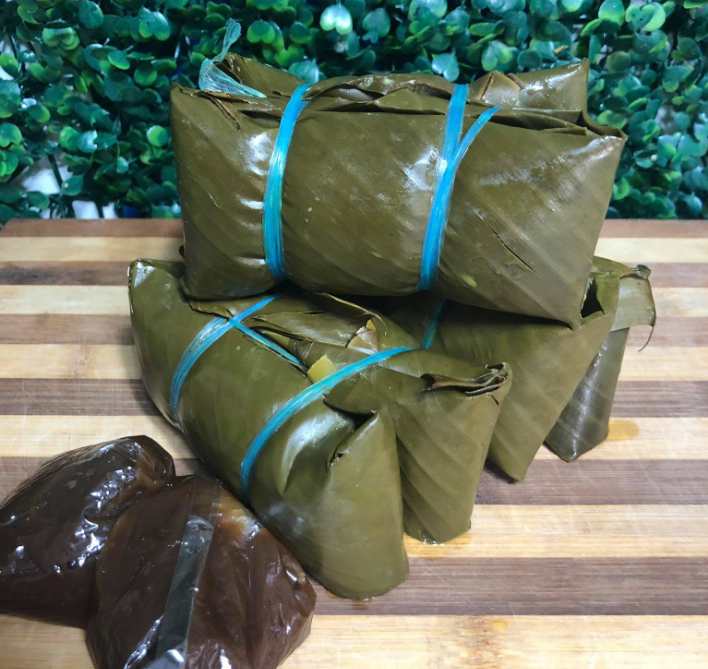
Suman
Glutinous rice cooked slowly in coconut milk, bundled tight in banana leaf. Simple, steady, and one of the three pillars the town's food identity is built on.
Traditionally dipped in sugar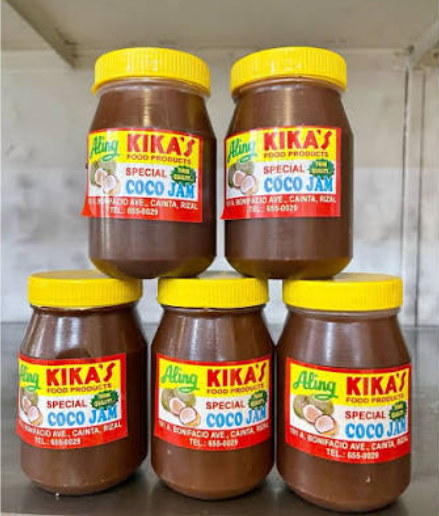
Latik
Coconut milk reduced patiently over low heat until only rich, caramelized curds remain. The finishing touch scattered over bibingka and suman alike.
The sound of Cainta's kitchens simmering
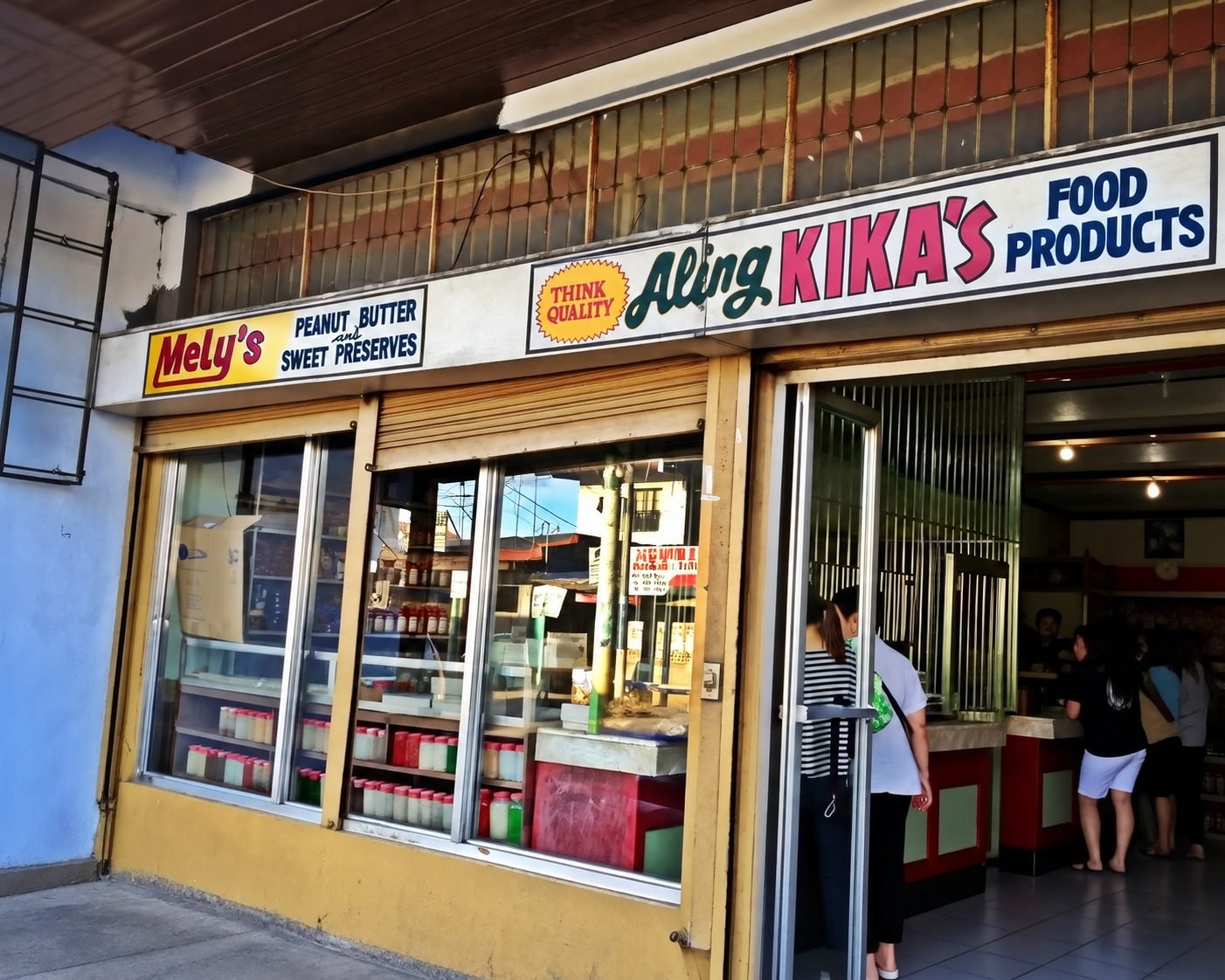
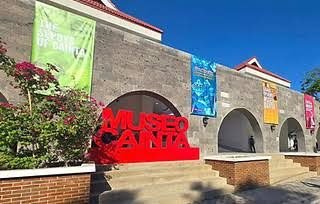
The SumBingTik Festival
First celebrated in 2014, the festival takes its name from the three delicacies at its heart and runs from November 30 to December 1, coinciding with the feast of Saint Andrew and the town's founding anniversary on the feast of Our Lady of Light, Cainta's patron saint. Barangay Sto. Niño transforms for the week, its houses dressed entirely in coconut husks, banana leaves, and other materials tied to suman, bibingka, and latik. Streets fill for the Caindakan sa Kalsada, a dance competition where schools parade in bright costumes to drums and gongs, alongside a grand float parade and a week of fun runs and festivities.
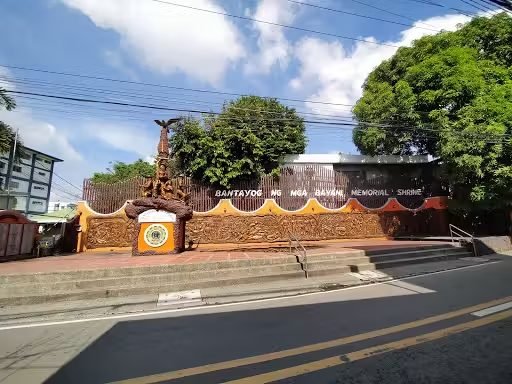
The Senakulo of Barrio Dayap
Around 1904, in what was then Barrio Dayap, residents troubled by a string of misfortunes lit a cross on a vacant lot every night, believing it would ward off evil. One Lenten evening, an unexplained fragrance drifted from the cross and word spread fast. From then on, the town committed to reciting the Pasyon, the sung account of Christ's passion, death, and resurrection. That devotion grew into the Senakulo: a full passion play staged every Lenten season, from Palm Sunday through Easter Sunday, a promise the town has kept for well over a century.